Exercise and Weight Loss
Medically Reviewed by Michael Dansinger, MD on August 22, 2024. Written by WebMD Editorial Contributors on August 22, 2024
The Weight Loss Equation
Weight loss fundamentally requires burning more calories than consumed. While diet plays the primary role in initial weight loss, exercise is crucial for long-term weight maintenance.
CDC research confirms that combining calorie reduction with regular physical activity provides the most effective and sustainable weight loss results.
Exercise Frequency Recommendations
Starting point: Begin with just a few minutes daily
Progression goal: Work up to 30+ minutes most days
Options:
• Continuous sessions (30+ minutes)
• Accumulated shorter bouts (10-15 minute sessions)
• High-intensity interval training (shorter duration, greater intensity)
Types of Beneficial Exercise
Cardiovascular options:
• Walking, jogging, swimming, cycling
• Fitness classes, dancing, sports
• Daily activities (gardening, playing with kids)
Essential components:
• Strength training 2-3x weekly (weights, resistance bands, bodyweight)
• Regular stretching for flexibility and injury prevention
Getting Started Safely
Important considerations:
• Begin with low-impact activities if new to exercise
• Consult a doctor if:
- Male over 45 or female over 55
- Have any medical conditions
• Progress gradually in duration and intensity
• Listen to your body and avoid overexertion
Long-Term Success Strategies
For sustainable results:
• Find activities you enjoy
• Incorporate exercise into daily routines
• Vary workouts to prevent boredom
• Track progress for motivation
• Combine with healthy eating habits
• View exercise as permanent lifestyle change
Reader Insights
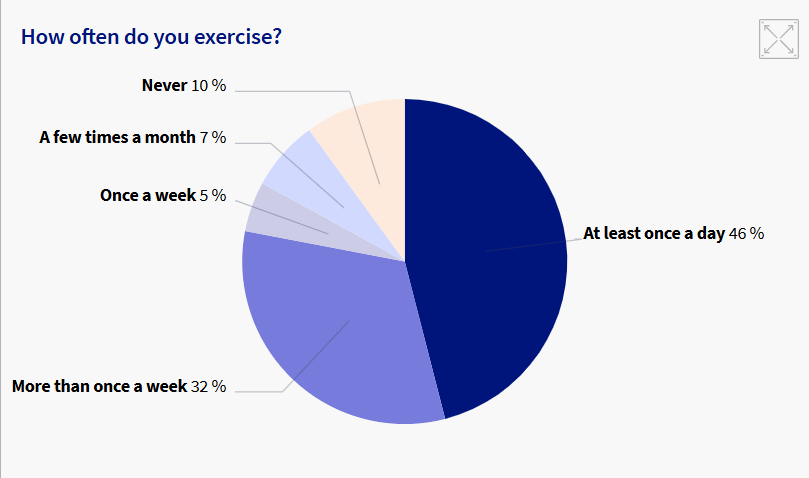
WebMD Poll Results (July-August 2024, 5,754 respondents):
• 46% exercise at least once daily
• 32% exercise multiple times weekly
• 17% exercise weekly or less
• 10% never exercise
The data shows room for improvement in regular physical activity among many readers.