Measles: Causes, Symptoms, and Prevention
Medically Reviewed by Renee A. Alli, MD on July 21, 2024
What Is Measles?
Measles is a highly contagious viral infection that primarily affects the respiratory system. The virus is transmitted through airborne droplets when an infected person coughs or sneezes. It can also spread by touching surfaces contaminated with the virus and then touching the face, particularly the mouth, nose, or eyes.
The measles virus can survive in the air and on surfaces for up to two hours, making it extremely easy to catch. If an unvaccinated person is in the same room as someone with measles, they have a 90% chance of getting infected. The infection can spread before a person shows symptoms, making containment difficult.
Measles outbreaks are more common in areas with low vaccination rates, and international travel can contribute to the spread. While measles was once considered a common childhood illness, widespread vaccination efforts have significantly reduced its prevalence in many countries.
Measles Symptoms
Measles symptoms typically develop in stages over a period of two to three weeks. After being exposed to the virus, an individual may go through an incubation period where they show no visible symptoms for 10-14 days.
The first sign of measles is usually a high fever, which can reach up to 104°F (40°C) and last for several days. Additional early symptoms include a runny nose, red and watery eyes, a sore throat, and tiny white spots called Koplik spots inside the mouth. These symptoms resemble a severe cold or flu.
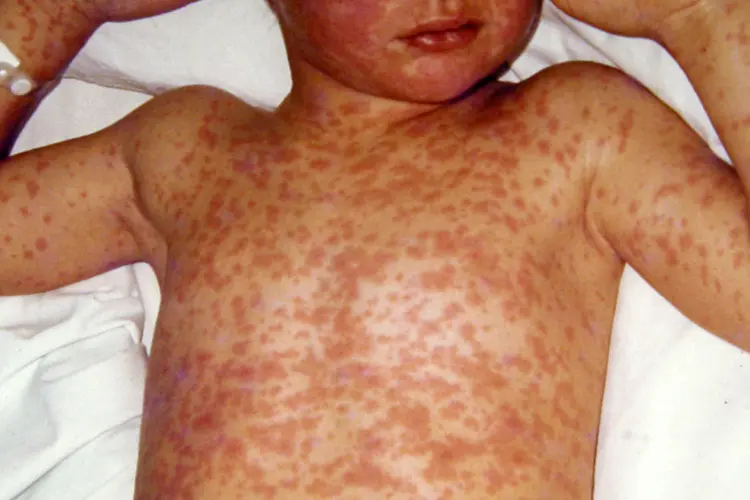
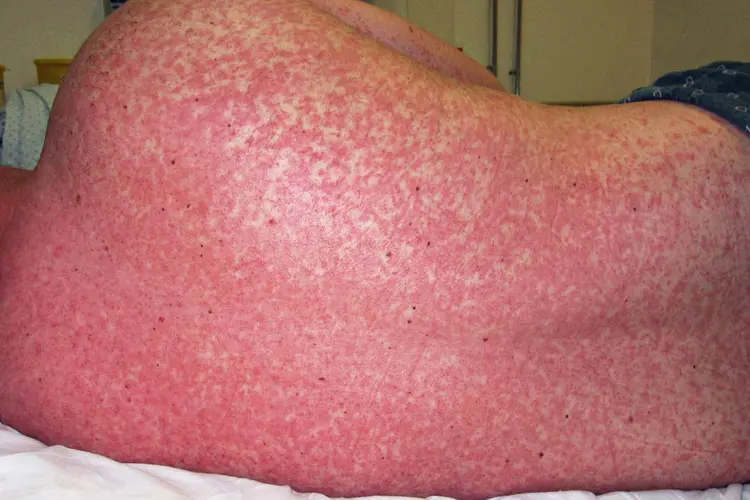
A few days after these initial symptoms, a red, blotchy rash appears. It usually starts at the hairline and gradually spreads to the rest of the body, including the neck, torso, arms, legs, and feet. The rash often causes intense itching and discomfort. As it spreads, the fever may rise, sometimes exceeding 105°F (40.5°C).
After several days, the rash starts to fade, typically in the same order it appeared, beginning with the face. Despite the disappearance of symptoms, a person with measles remains contagious for about eight days—four days before and four days after the rash appears.
Measles Causes and Risk Factors
Measles is caused by the measles virus, which belongs to the paramyxovirus family. It primarily infects the respiratory system and spreads through airborne droplets when an infected person talks, coughs, or sneezes. The virus can also spread through direct contact with saliva or mucus from an infected individual.
Certain factors increase the risk of contracting measles. Unvaccinated individuals, particularly children and pregnant women, are at the highest risk. Those traveling to countries where measles is still common or living in areas with low vaccination rates face an increased likelihood of exposure.
People with weakened immune systems, such as those undergoing chemotherapy or with conditions like HIV/AIDS, are more susceptible to severe complications from measles. Additionally, individuals with vitamin A deficiency may experience more severe symptoms and a prolonged recovery period.
Measles Diagnosis
Doctors diagnose measles based on symptoms, medical history, and physical examination. One of the most distinctive signs of measles is the presence of Koplik spots—tiny white spots with bluish centers found inside the mouth.
If necessary, a doctor may confirm the diagnosis through a blood test, throat swab, or urine sample to detect the measles virus or antibodies in the body. In some cases, a PCR (polymerase chain reaction) test is used to identify viral RNA and confirm the infection.
Early diagnosis is crucial for managing symptoms and preventing further spread. If measles is suspected, individuals should seek medical attention and avoid contact with others, especially those who are unvaccinated or have weakened immune systems.
Measles Treatment and Home Remedies
There is no specific antiviral treatment for measles. The virus must run its course, and treatment focuses on managing symptoms and preventing complications.
Doctors may recommend over-the-counter fever reducers, such as acetaminophen or ibuprofen, to lower fever and relieve discomfort. However, aspirin should not be given to children due to the risk of Reye's syndrome.
Staying hydrated is essential, as fever and sweating can lead to dehydration. Drinking plenty of fluids, such as water, herbal teas, and electrolyte solutions, helps maintain hydration levels.
Resting in a cool, dark room can help ease discomfort, especially for those experiencing light sensitivity. Using a humidifier or taking warm showers may also help relieve congestion and coughing.
Vitamin A supplements are sometimes recommended for children with measles, as they can reduce the severity of symptoms and lower the risk of complications.
Measles Complications
While most people recover from measles without complications, some cases can lead to severe health problems, particularly in young children, pregnant women, and individuals with weakened immune systems.
Common complications include ear infections, bronchitis, and pneumonia. Ear infections are particularly common in young children and can sometimes result in permanent hearing loss.
A more severe complication is encephalitis, a potentially life-threatening inflammation of the brain. It occurs in about 1 in 1,000 measles cases and can lead to seizures, brain damage, or long-term neurological issues.
Pregnant women who contract measles are at risk of premature birth, low birth weight, or even miscarriage. Measles can also trigger subacute sclerosing panencephalitis (SSPE), a rare but fatal brain disorder that appears years after the initial infection.
Measles Prevention
Vaccination is the most effective way to prevent measles. The measles-mumps-rubella (MMR) vaccine provides lifelong immunity in most cases. The CDC recommends that children receive their first MMR dose between 12 and 15 months of age and a second dose between 4 and 6 years old.
The MMR vaccine is 97% effective after two doses. It has been instrumental in reducing measles cases worldwide. However, in areas where vaccination rates have declined, outbreaks still occur.
People who cannot receive the vaccine due to medical conditions, such as immune system disorders or severe allergies, rely on herd immunity to stay protected. This makes widespread vaccination crucial in preventing outbreaks.
For those exposed to measles, post-exposure vaccination within 72 hours can help prevent the disease or reduce its severity. Pregnant women and individuals with weakened immune systems may receive immune serum globulin within six days of exposure to reduce complications.
Maintaining good hygiene, avoiding close contact with infected individuals, and staying informed about outbreaks can also help prevent measles transmission.