Understanding Diabetes: Causes, Symptoms, and Management

What is Diabetes?
Diabetes is a chronic health condition that affects how your body turns food into energy. It occurs when the body either doesn’t produce enough insulin or cannot effectively use the insulin it produces. This leads to high blood sugar levels, which can cause various complications if left unmanaged.
There are three main types of diabetes: Type 1, Type 2, and gestational diabetes. Each type has different causes and risk factors but ultimately affects the body's ability to regulate blood sugar levels.
Types of Diabetes
Type 1 diabetes is an autoimmune condition where the immune system mistakenly attacks insulin-producing cells in the pancreas. It is usually diagnosed in children and young adults and requires daily insulin injections.
Type 2 diabetes is the most common form and occurs when the body becomes resistant to insulin or doesn’t produce enough. It is often linked to lifestyle factors such as poor diet, lack of exercise, and obesity.
Gestational diabetes occurs during pregnancy and usually disappears after childbirth. However, it increases the risk of developing Type 2 diabetes later in life.
Symptoms of Diabetes
Common symptoms of diabetes include frequent urination, excessive thirst, unexplained weight loss, extreme fatigue, and blurred vision. These symptoms occur due to high blood sugar levels affecting the body’s normal functioning.
In some cases, people with Type 2 diabetes may not experience noticeable symptoms for years, making regular health checkups crucial for early diagnosis and management.
Causes and Risk Factors
Genetics, lifestyle, and environmental factors all play a role in the development of diabetes. Type 1 diabetes is largely influenced by genetic and autoimmune factors, while Type 2 diabetes is often linked to obesity, physical inactivity, and poor dietary choices.
Risk factors for diabetes include a family history of the disease, high blood pressure, high cholesterol levels, and being overweight. Managing these factors through a healthy lifestyle can help reduce the risk of developing diabetes.
Managing Diabetes
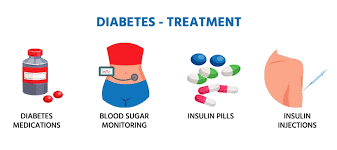
Managing diabetes involves a combination of medication, diet, and lifestyle changes. People with Type 1 diabetes require insulin therapy, while those with Type 2 diabetes may manage their condition with oral medications, insulin, or lifestyle modifications.
Eating a balanced diet, engaging in regular physical activity, monitoring blood sugar levels, and maintaining a healthy weight are essential for diabetes management. Additionally, avoiding excessive sugar and processed foods can help control blood sugar levels.
Complications of Diabetes
If left uncontrolled, diabetes can lead to severe complications such as heart disease, kidney damage, nerve damage, and vision problems. High blood sugar levels over time can damage blood vessels and organs, increasing the risk of stroke and heart attacks.
Diabetic neuropathy, a condition that causes nerve damage, can result in pain, tingling, and loss of sensation in the feet. This can lead to serious infections and, in severe cases, amputation. Regular medical checkups and proper diabetes management can help prevent these complications.
Prevention and Lifestyle Changes
While Type 1 diabetes cannot be prevented, Type 2 diabetes can often be delayed or prevented through healthy lifestyle choices. Maintaining a balanced diet, staying physically active, and avoiding excessive sugar intake are key preventive measures.
Regular health screenings can help detect diabetes early, allowing for timely intervention. Small lifestyle changes, such as walking more, choosing whole foods over processed ones, and staying hydrated, can make a big difference in overall health and diabetes prevention.