Understanding Heart Failure: Causes, Symptoms, and Treatment
What is Heart Failure?
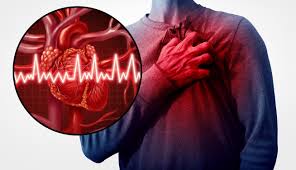
Heart failure is a chronic condition in which the heart is unable to pump blood effectively to meet the body's needs. It does not mean that the heart has stopped working completely, but rather that it is weakened and struggling to function properly.
The condition can affect either the left, right, or both sides of the heart, leading to various complications. Left-sided heart failure is the most common type and often results in fluid buildup in the lungs, causing difficulty in breathing. Right-sided heart failure can lead to swelling in the legs, ankles, and abdomen due to fluid retention.
Causes of Heart Failure
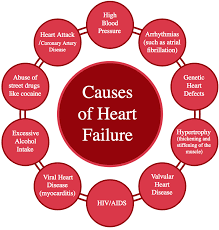
Heart failure can develop due to various underlying health conditions that damage the heart muscle or make it work harder than normal.
Some of the most common causes include high blood pressure, coronary artery disease, heart attacks, diabetes, and valve disorders. Over time, these conditions weaken the heart, reducing its ability to pump blood efficiently.
Lifestyle factors such as smoking, excessive alcohol consumption, obesity, and a sedentary lifestyle can also contribute to the development of heart failure. In some cases, genetic factors may play a role in the risk of developing the condition.
Symptoms of Heart Failure
The symptoms of heart failure can vary depending on its severity and whether it affects the left or right side of the heart.
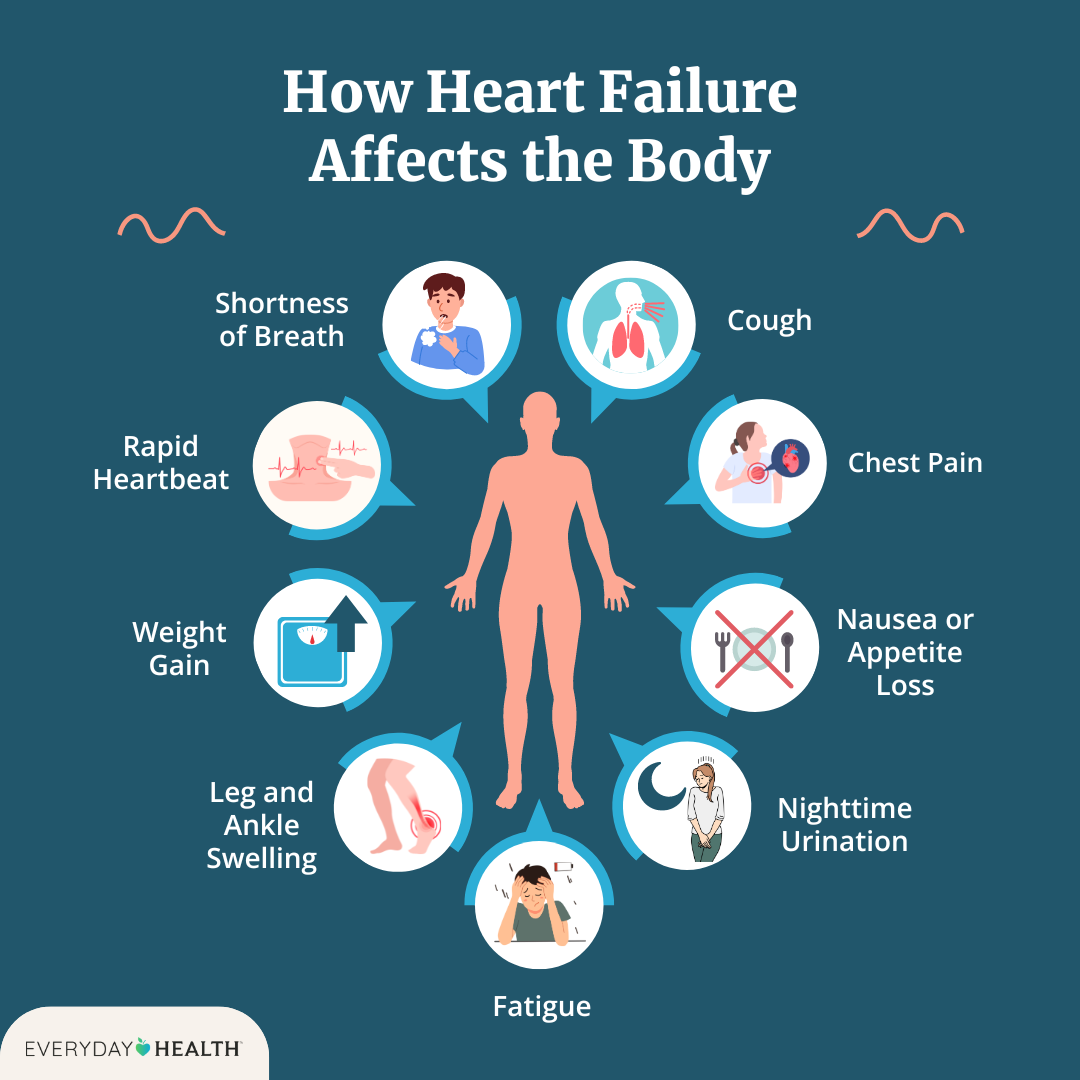
Common symptoms include shortness of breath, persistent coughing or wheezing, swelling in the legs and feet, fatigue, rapid heartbeat, and difficulty concentrating.
In severe cases, fluid buildup in the lungs (pulmonary edema) can cause extreme breathing difficulties, requiring immediate medical attention.
Diagnosis and Tests
Doctors use various tests to diagnose heart failure and determine its severity.
Common diagnostic tests include echocardiograms, electrocardiograms (ECG), chest X-rays, and blood tests to check for heart damage.
A key measurement used to assess heart function is the ejection fraction (EF), which indicates how much blood the heart pumps out with each beat. A low ejection fraction suggests weakened heart function.
Treatment and Management
While there is no cure for heart failure, treatments can help manage symptoms and improve quality of life.
Medications such as beta-blockers, ACE inhibitors, and diuretics are commonly prescribed to reduce strain on the heart and remove excess fluid from the body.
Lifestyle modifications, including a heart-healthy diet, regular exercise, quitting smoking, and maintaining a healthy weight, are essential in managing the condition.
In severe cases, medical procedures such as pacemakers, implantable defibrillators, or even heart transplants may be necessary.
Prevention and Long-Term Outlook
Preventing heart failure involves managing risk factors such as high blood pressure, diabetes, and high cholesterol through regular medical checkups and a healthy lifestyle.
Sticking to prescribed medications, following a balanced diet, staying physically active, and reducing stress can help prevent the progression of heart failure.
With proper management and medical care, many individuals with heart failure can lead fulfilling lives and reduce the risk of severe complications. Early detection and treatment are key to improving long-term outcomes.