Understanding Lung Disease: COPD
Medically Reviewed by Dr. Aisha Patel, MD on April 2, 2025
What is COPD?
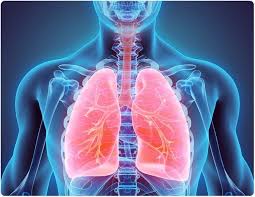
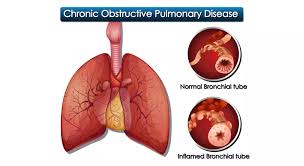
Chronic Obstructive Pulmonary Disease (COPD) is a group of progressive lung diseases that make breathing difficult. The most common conditions within COPD are chronic bronchitis and emphysema. These conditions lead to airway inflammation, mucus buildup, and damage to lung tissues, causing shortness of breath and persistent coughing.
Causes and Risk Factors
COPD is primarily caused by long-term exposure to harmful substances, most commonly cigarette smoke. Other causes include air pollution, chemical fumes, and genetic factors like alpha-1 antitrypsin deficiency. Smoking is responsible for up to 85% of COPD cases, making it the most significant risk factor.
Signs and Symptoms
The symptoms of COPD often develop gradually and worsen over time. Common signs include a persistent cough, increased mucus production, wheezing, chest tightness, and frequent respiratory infections. In later stages, individuals may experience fatigue, weight loss, and swelling in the legs due to oxygen deprivation.
Diagnosis and Stages of COPD
Doctors diagnose COPD using a combination of medical history, lung function tests like spirometry, imaging tests such as chest X-rays or CT scans, and blood tests. COPD is classified into four stages: mild, moderate, severe, and very severe, based on lung function and symptom severity. Early detection can help slow disease progression.
Treatment and Management
While COPD is not curable, various treatments can help manage symptoms and improve quality of life. Quitting smoking is the most crucial step in slowing disease progression. Medications such as bronchodilators, corticosteroids, and oxygen therapy can aid breathing. Pulmonary rehabilitation, a program combining exercise and education, is also beneficial for COPD patients.
Living with COPD
Managing COPD involves lifestyle adjustments, such as avoiding lung irritants, maintaining a healthy diet, and staying physically active. Breathing exercises like pursed-lip breathing and diaphragmatic breathing can help improve oxygen intake. Vaccinations against flu and pneumonia are recommended to prevent complications.
When to See a Doctor
It is essential to seek medical attention if you experience worsening breathlessness, increased mucus production, or frequent respiratory infections. Early intervention can prevent severe complications and hospitalizations. If symptoms suddenly worsen, it may indicate an acute exacerbation requiring immediate treatment.