What Is Chronic Pain Syndrome?
Medically Reviewed by Sabrina Felson, MD on October 13, 2024
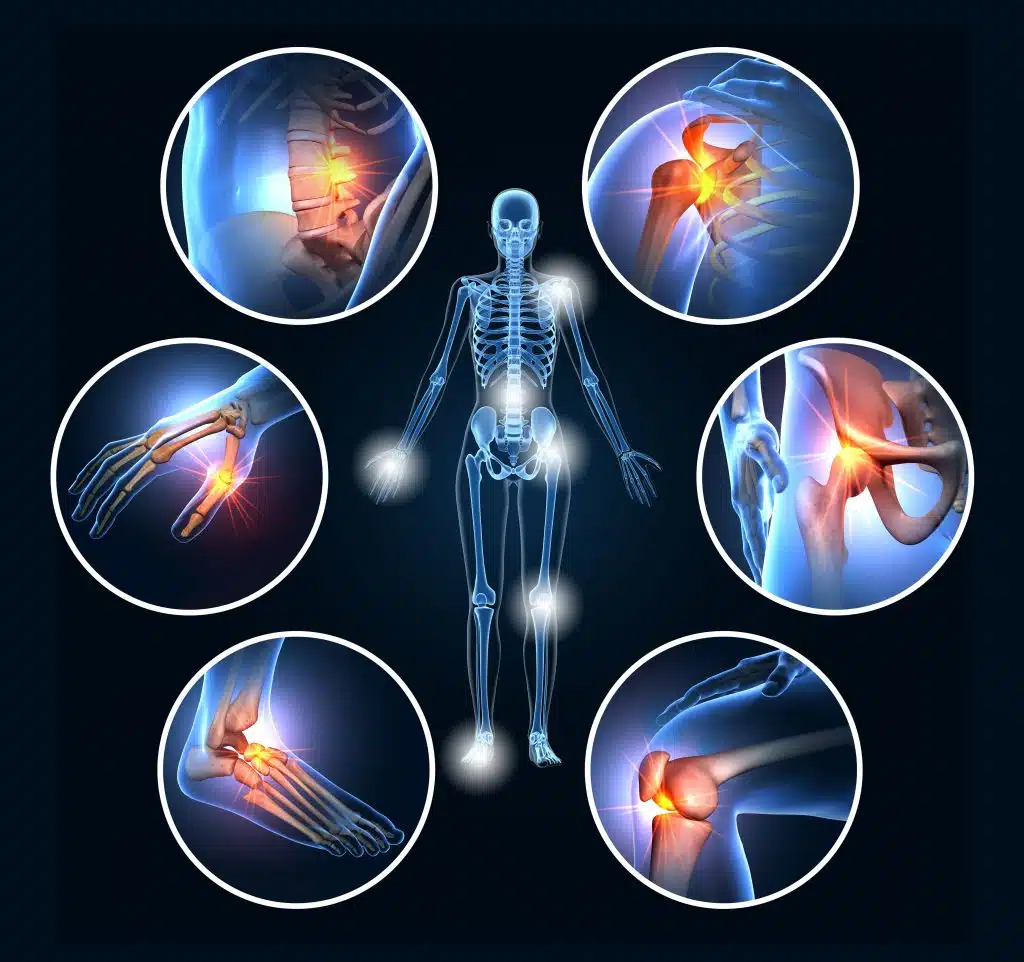
What Causes Chronic Pain Syndrome?
Doctors don't know exactly what causes CPS. It often starts with an injury or painful condition such as arthritis, back pain, or fibromyalgia.
Chronic pain syndrome often involves both physical and mental factors. Some experts believe a problem with the body's stress response system may contribute to prolonged pain.
Other theories suggest that CPS is a learned response, where the brain continues to perceive pain even after the initial cause has healed.
People with depression, anxiety, or other mental health disorders may be more prone to developing chronic pain syndrome, as psychological factors can intensify the perception of pain.
Symptoms
CPS affects your physical health, emotional well-being, and social life over time. The pain can lead to additional symptoms such as anxiety, depression, and fatigue.
Sleep disturbances are common among people with CPS, making it harder for them to cope with pain and daily activities.
The condition can also cause irritability, mood swings, and difficulty concentrating, which may impact relationships and work performance.
Some individuals with CPS may turn to drugs or alcohol to manage their pain, leading to substance dependence or addiction.
Getting a Diagnosis
Your doctor will evaluate your medical history, ask about your symptoms, and perform a physical exam to identify the source of your pain.
They may ask questions about when the pain started, where it is located, and what makes it better or worse.
Diagnostic tests such as X-rays, MRIs, and CT scans may be used to rule out underlying conditions like arthritis or nerve damage.
Psychological evaluations may also be recommended to assess the impact of chronic pain on mental health.
Treatments
Treatment for CPS varies based on the underlying cause and severity of symptoms. A combination of therapies is often used to manage pain.
Physical therapy can help improve mobility and reduce stiffness through exercises, massage, and techniques like transcutaneous electrical nerve stimulation (TENS).
Counseling and cognitive-behavioral therapy (CBT) can help individuals develop coping strategies for managing pain and associated mental health issues.
Medications such as nonsteroidal anti-inflammatory drugs (NSAIDs), antidepressants, muscle relaxants, and nerve pain medications may be prescribed.
Alternative treatments, including acupuncture, yoga, and meditation, may provide relief and improve overall well-being.
When to Call a Doctor About Your Pain
Mild pain from an injury or illness is normal, but you should seek medical attention if the pain is severe, persistent, or interferes with daily activities.
If pain is accompanied by fever, swelling, numbness, or sudden weight loss, it may indicate an underlying medical condition that requires immediate attention.
Chronic pain that leads to depression, suicidal thoughts, or substance abuse should be addressed with a healthcare provider as soon as possible.
Early intervention and a comprehensive treatment plan can help manage CPS effectively and improve quality of life.