Women's Health: A Comprehensive Guide
Understanding Women's Health
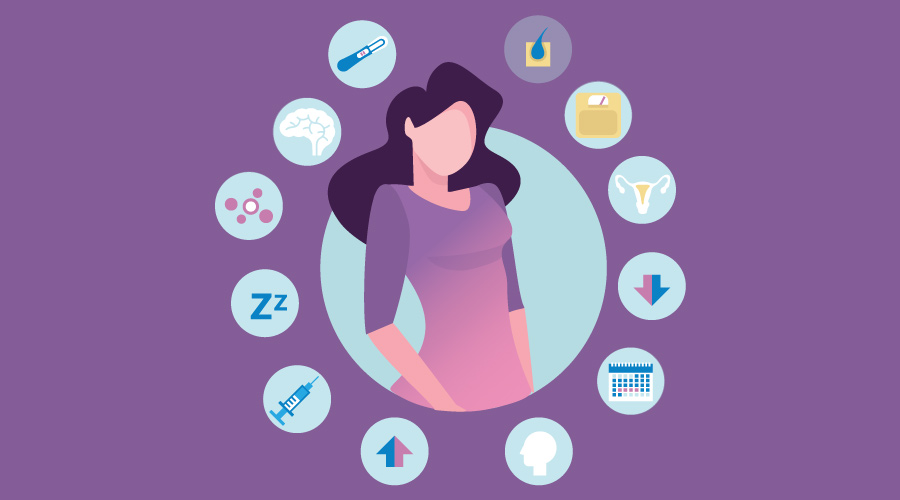
Women's health encompasses a broad range of issues, from reproductive health and hormonal balance to mental well-being and disease prevention. While some health concerns affect both men and women, there are several conditions that uniquely impact women, making it essential to address them with specialized care and attention.
One of the most critical aspects of women's health is regular screening for conditions such as breast cancer, cervical cancer, osteoporosis, and heart disease. Early detection can save lives and improve quality of life.
Maintaining overall well-being also involves lifestyle choices such as a balanced diet, regular exercise, stress management, and adequate sleep. A proactive approach to health can lead to long-term benefits and improved longevity.
Reproductive Health and Wellness
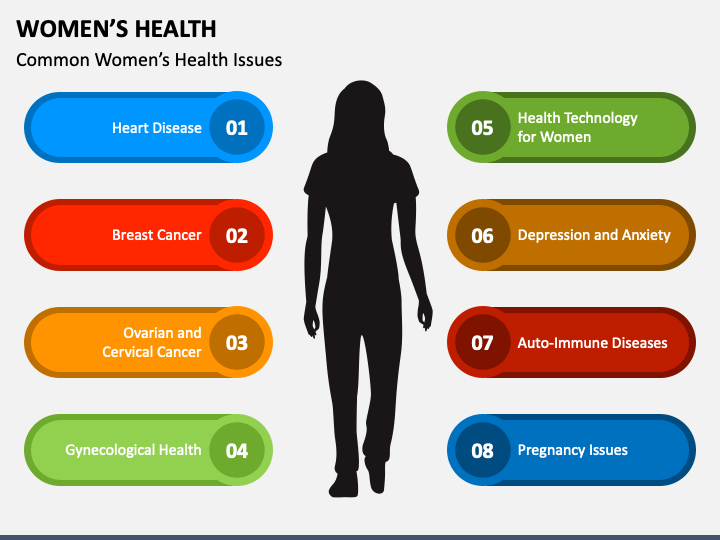
Reproductive health is a fundamental part of a woman’s overall health. It includes menstrual health, contraception options, pregnancy, and menopause. Each stage of life brings unique challenges and medical considerations.
Menstrual health can significantly impact daily life. Conditions such as polycystic ovary syndrome (PCOS), endometriosis, and irregular periods require medical attention and lifestyle adjustments for better management.
Pregnancy care involves prenatal checkups, proper nutrition, and managing potential complications such as gestational diabetes and hypertension. Postpartum health is equally crucial, as it involves recovery, mental health, and breastfeeding support.
Menopause marks the end of a woman’s reproductive years and often comes with symptoms like hot flashes, mood swings, and osteoporosis risk. Hormonal therapy and lifestyle changes can help manage these transitions effectively.
Common Health Concerns for Women
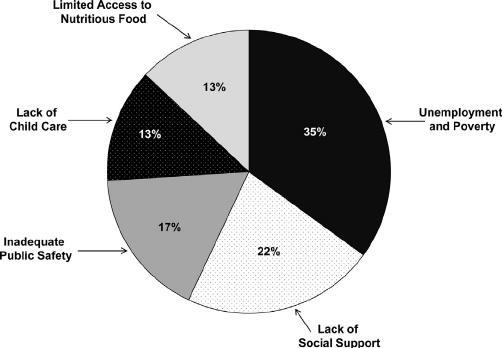
Many women experience health issues that require medical attention and preventive care. Some of the most common concerns include heart disease, osteoporosis, breast cancer, and mental health disorders such as depression and anxiety.
Heart disease is the leading cause of death among women, yet its symptoms often present differently than in men. Recognizing early warning signs such as shortness of breath, fatigue, and nausea can lead to timely intervention and better outcomes.
Osteoporosis, a condition characterized by weak bones, is more prevalent in women, particularly after menopause. Adequate calcium intake, vitamin D, and weight-bearing exercises can help maintain bone strength and reduce fracture risk.
Breast cancer remains one of the most common cancers among women. Regular self-examinations, mammograms, and awareness of family history play a crucial role in early detection and successful treatment.
Mental Health and Emotional Well-being
Mental health is an integral part of overall well-being, and women are more likely than men to experience anxiety and depression due to hormonal fluctuations, societal expectations, and life transitions.
Conditions such as postpartum depression, premenstrual dysphoric disorder (PMDD), and menopause-related mood swings require appropriate medical and psychological support.
Self-care practices, including mindfulness, regular exercise, healthy relationships, and seeking professional help when needed, can contribute to improved mental resilience and well-being.
Creating a support system through family, friends, or mental health professionals can significantly help women navigate stress, life changes, and emotional challenges.