World Kidney Day: Kidneys and How to Keep Them Healthy | Dr. Akhila Vasanth
Created by:Dr.
|
Published:January 15, 2024
|
Last updated:
|
Views:4389+
|
Medically Reviewed
Reviewed by Dr. , MBBS, MD on .
Next review due: November 2026
Fact-CheckedEvidence-BasedTranscript AvailableClosed Captions AvailableScreen Reader Friendly
, 0+ Exp
Book Consultation

Consult With Loading...
Trust & Security
Verified Medical Content
All content reviewed by licensed doctors
Secure & Private
HTTPS encryption & privacy protection
Evidence-Based
Based on peer-reviewed research
Medical References
This video content is based on current medical evidence and guidelines from authoritative sources:
- 1.World Health Organization (WHO) - Global Health GuidelinesView Source
- 2.Centers for Disease Control and Prevention (CDC) - Evidence-Based GuidelinesView Source
- 3.National Health Service (NHS) - Clinical StandardsView Source
- 4.Peer-Reviewed Medical Journals - Latest Research & Clinical Studies(The Lancet, JAMA, NEJM, BMJ)
Last updated:
Transcript
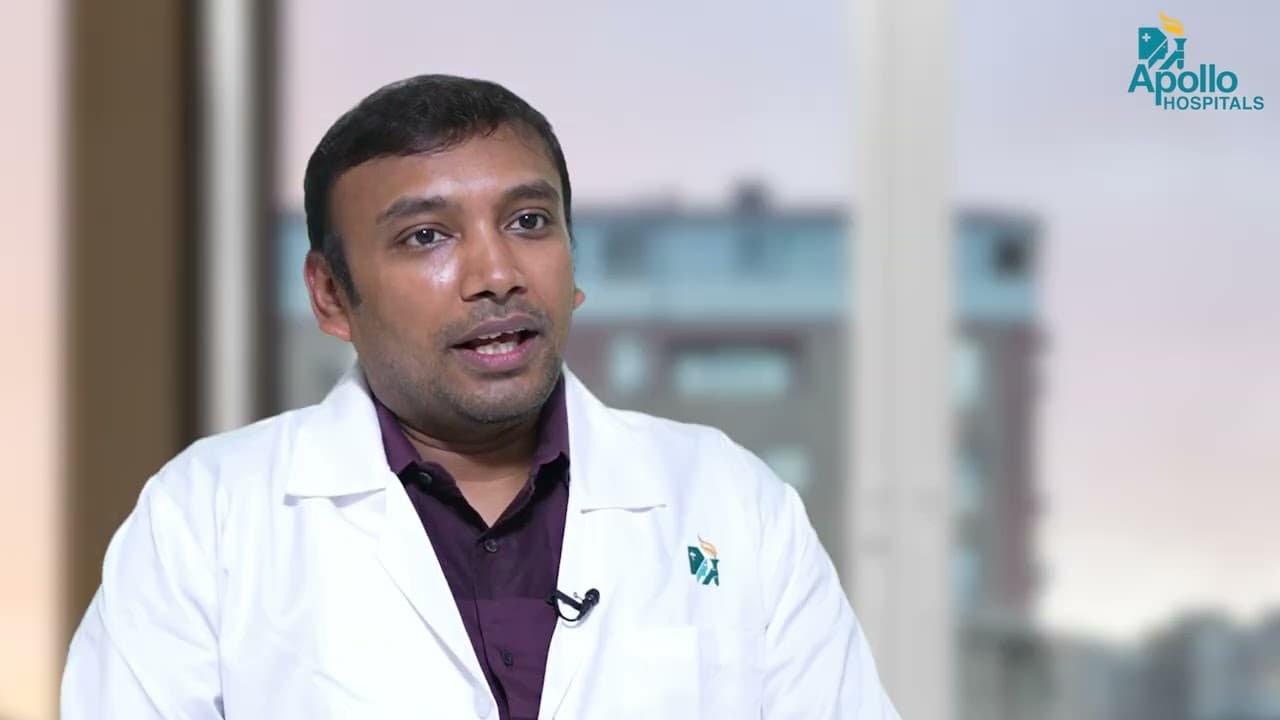
[Music] hello children I'm Dr Akila wasant a doctor for children with kidney problems from Nana Hell City bangaluru I'm here to give a small educational talk about kidneys on the occasion of world Kidney Day so what are kidneys your kidney are two of the most important organs in your body without them your body cannot function properly the kidneys make urine and do many other important things for your body your kidneys are located on either side of the spine just under your back ribs but you can't feel them with your hands each kidney is about the size of your own clenched fist or a computer mouse they have an unusual shape kidney beans are named after them because they have the same shape kidneys are on cleanup duty every minute of every day in order to stay healthy your body needs the right amount of nutrients which is vitamins minerals proteins and all other things that our body needs to function well you get nutrients from the different foods that you eat kidneys check and control the minerals vitamins and other nutrients that you get from your food and send anything which is not needed off into the urine your body needs the right amount of water for it to work properly kidneys make sure that they let just enough water to stay in the body and get rid of the rest kidneys make a hormone a special chemical messenger made by our body that tells your heart how hard to pump blood around your body this is called blood pressure this hormone can make blood pressure rise when a higher pressure is required to make sure that the blood gets to all parts of your body the kidneys make a hormone that tells the body when to make more red blood cells red blood cells carry oxygen around your body which keeps your body working vitamins kidneys produce active vitamin D vitamins are substances that your body needs so that it can work properly vitamin D helps the body to absorb calcium from dairy products and some other foods that you eat calcium is a mineral that you need to keep your bones and teeth strong so what happens when kidneys don't work well your body can work with only one kidney as long as that kidney is quite healthy if both kidneys stop working for good then you may need a special treatment to stay alive which is dialysis or a new kidney what we call as transplantation so how to keep your kidneys healthy number one drink enough water every day kidneys like a lot of water number two do not eat food with too much salt number three do not eat food with too much sugar and avoid soft drinks number four eat lots of fruits and vegetables number five keep active play sports number six do not smoke number seven do not take overthe counter drugs so I would like to move your feet on the occasion of world kidney day so I would like you to do a lot of exercise and play outside rather than staying at home with your mobile phones or TV thank you [Music]
When to Seek Emergency Care
Seek immediate medical attention if you experience:
- Severe difficulty breathing or rapid breathing
- Chest pain or pressure
- Sudden confusion or difficulty staying awake
- Severe or persistent pain
- Signs of severe allergic reaction
🚨 Call emergency services (112/102) immediately if any of these symptoms occur.
Related Videos

Dr Umashankar Prakasam | Apollo Hospitals Chennai
Dr Prathap
Dr S Selvin | Apollo Hospitals Chennai
Dr Prathap

Asexuality, NOT a dysfunction
Dr Rena